
Demand-side flexibility is helping Spanish businesses access new revenue opportunities while strengthening the grid and making flexible consumption a benefit for the whole energy system.
30 October 2026
The future of electricity flexibility services appears to be taking off in Spain. Following the nationwide blackout of 2025, interest in demand-side flexibility has grown, while developments in mFRR (manual Frequency Restoration Reserve) and Europe’s MARI platform are opening up new balancing opportunities.
Despite initial regulatory delays, both Spanish legislation and the transmission system operator, Red Eléctrica (REE), are increasingly opening the market to independent aggregators. As an active partner in the REEFLEX project, Urbener, through the development of its aggregated flexibility platform, is well positioned to contribute to this transition.
The arrival of advanced digital platforms, like the one developed by Urbener within the European REEFLEX project, is helping to break down traditional market entry barriers. These platforms bring together distributed energy resources, from homes and offices to industrial sites.
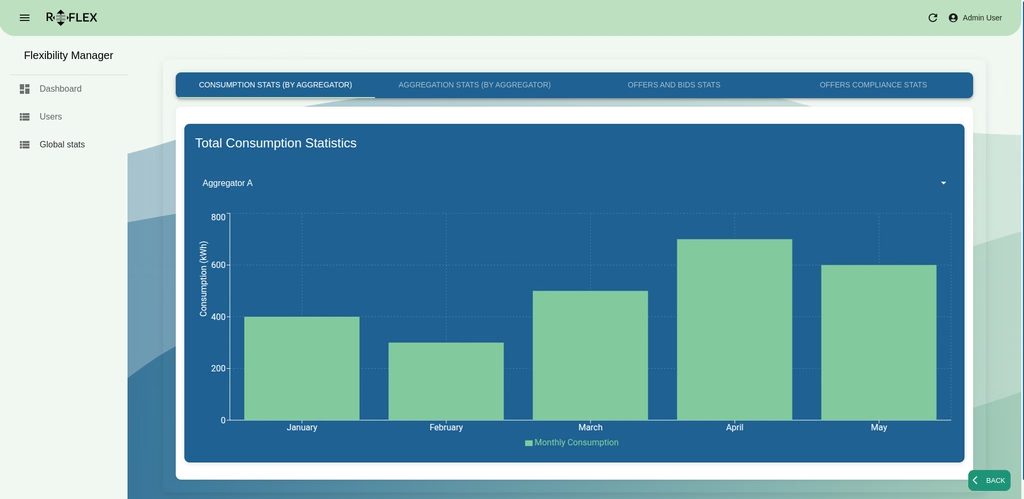
Thanks to this aggregation, small consumers and prosumers who, on their own, do not meet the minimum capacity or energy requirements set by regulation can combine their resources and potentially submit joint bids in local flexibility markets (LFMs) and system balancing services. This approach opens the door to participants who previously faced barriers to market participation.
The economic implications could be substantial for both individual businesses and the broader energy system. According to the International Energy Agency (IEA), demand-side flexibility can improve power system efficiency and help consumers reduce their electricity bills.
In Spain, the financial ecosystem supporting this transition is developing, with growing interest in digital Energy Management Systems (EMS), aggregation technologies and balancing market participation. These developments are creating opportunities for consumers to benefit financially from adjusting their electricity consumption in response to market and grid needs. On a broader European level, making greater use of demand flexibility could help consumers save money and reduce the need for costly grid infrastructure upgrades. Platforms developed within projects like REEFLEX can play an important role in turning smart energy management into a practical and economically attractive solution.
In the words of Urbener’s Technical Director, David Ferreira:
“Aggregation makes it possible to turn dispersed consumption resources into flexible capacity that can participate in the electricity system in a coordinated manner. The challenge lies in doing so in an automated, reliable way that is compatible with the requirements of balancing markets.”
The Growing Role of Local Flexibility Markets
Looking ahead, one of the next major developments for European energy markets lies in the consolidation of Local Flexibility Markets (LFMs). As the electrification of heating and transport accelerates across the continent, managing energy demand at a local level is becoming increasingly important.
Currently, LFMs are at varying stages of maturity across Europe. Countries like Great Britain and the Netherlands have made significant progress, while others, including Spain, are advancing their regulatory and operational frameworks.
In this evolving scenario, platforms like the one developed by Urbener within the REEFLEX project can provide the infrastructure needed to integrate decentralised energy resources into emerging local markets and unlock new revenue opportunities for consumers. This shift towards flexibility is not only financially beneficial for consumers but also represents an important operational tool for Distribution System Operators (DSOs).
Traditionally, when local grids faced congestion due to peak demand or increased renewable energy generation, DSOs often had to rely on costly and time-consuming infrastructure reinforcements. However, the integration of Local Flexibility Markets offers an alternative. By using flexibility services, DSOs can alleviate grid stress, prevent overloads and facilitate greater renewable energy integration while potentially reducing or delaying the need for grid infrastructure upgrades.
REEFLEX: From Development to Real-World Validation
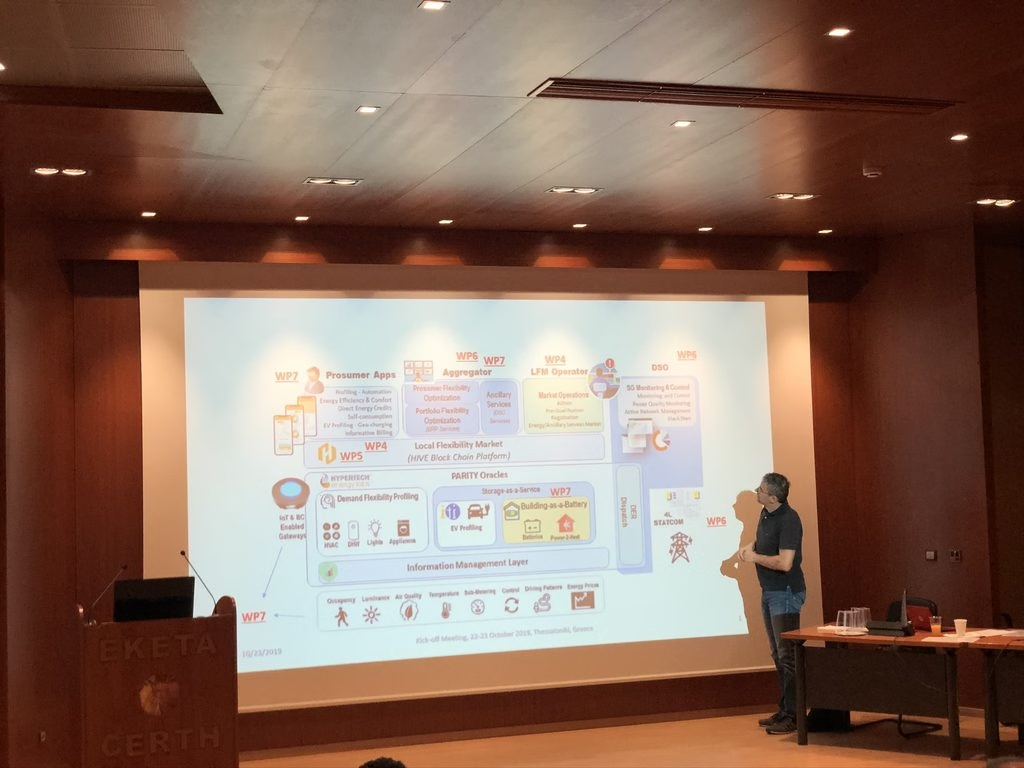
As the REEFLEX project enters its final validation phase, the technological framework developed by Urbener and its project partners is progressing from development towards real-world implementation.
Key technical milestones, including the integration of CIRCE’s DSO grid-need calculation algorithms, improvements in cross-component data interoperability and aggregator onboarding, are demonstrating how distributed energy assets can be aggregated and prepared for participation in flexibility markets.
These developments highlight the potential of smart demand management as a practical solution for supporting the energy transition and expanding access to flexibility markets.
As Urbener’s Technical Director concludes:
“The flexibility platform developed by Urbener will provide a unique opportunity for end consumers to access balancing services. Consumers who, in most cases, were unable to take advantage of such services.”
Contact Information
For more information about REEFLEX, please contact us at: contact@reeflexhe.eu
Follow us on